
English

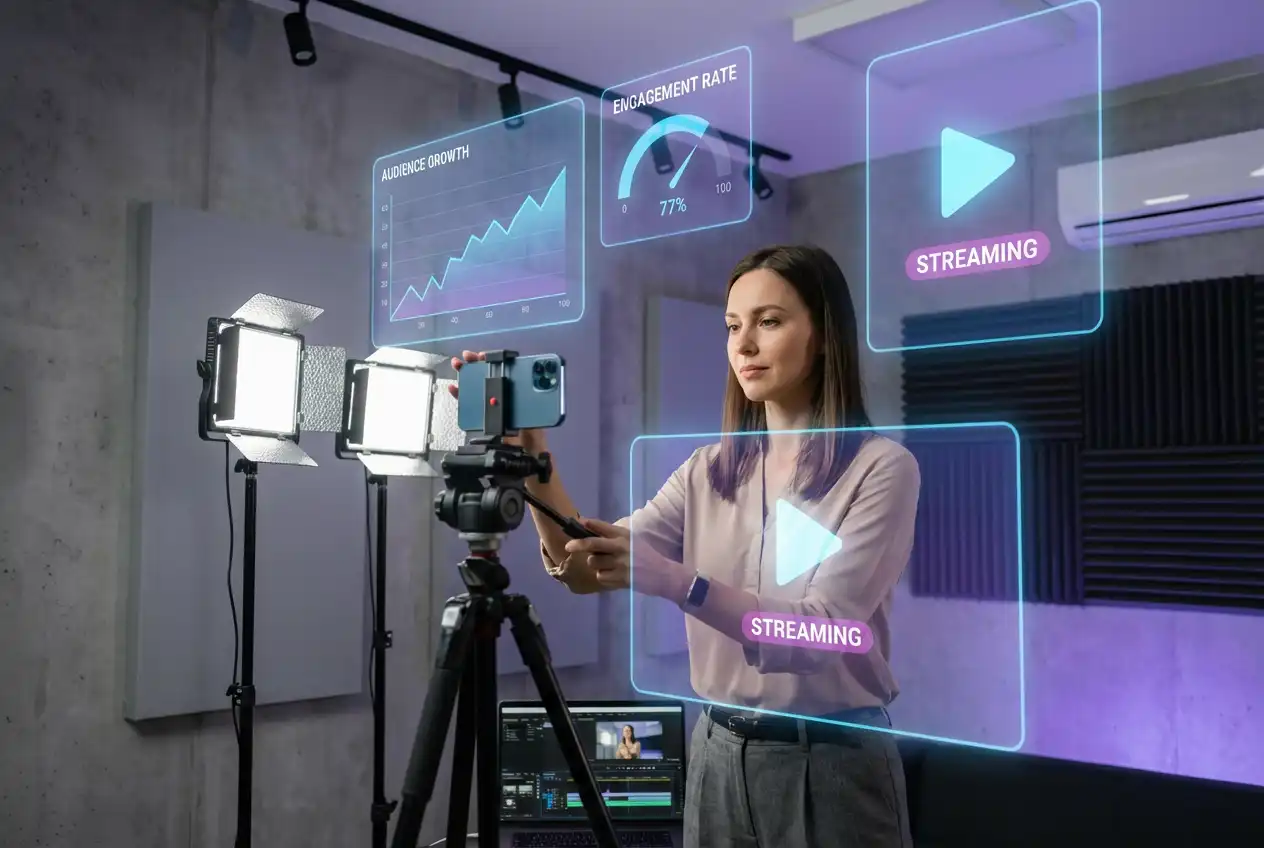
Video marketing is the use of video content to promote and sell a product or service, increase engagement on digital and social platforms, educate customers, and reach new audiences. Businesses use video to communicate their message in a more engaging and visual format that captures attention quickly.
Determine who your ideal viewers are and where they spend their time online. Because video and user-generated content are extremely popular, each video should be created for a specific audience.
If you do not already have strong buyer personas, begin developing them. If you already have customer personas, make sure to update them using the latest research and insights related to video consumption.
Think of video production as a shorter and faster version of creating a film. While producing a video usually requires fewer resources than a movie, it can still be time-consuming and costly.
Proper planning and project management can help reduce expenses and production time. Develop a clear timeline for each stage of production and allow flexibility for potential delays. Even small video projects may require multiple team members with different skills.
Before producing your video, decide where it will be published. Each platform has its own audience and content preferences.
For example, video search optimization on platforms such as YouTube is becoming as important as traditional website SEO. Understanding what users on each platform are searching for will help you create more effective content.
Every video should communicate a clear message. Align your video content with different stages of the buyer journey to ensure it meets the needs of your audience.
When planning your content, also consider creative limitations such as budget, available resources, and production capabilities. Selecting the right video format—such as tutorials, product demonstrations, testimonials, or brand storytelling—can make your message more effective.
Before starting production, set clear goals and determine the metrics you will use to evaluate your video's success.
While platforms provide built-in analytics, relying only on default metrics can make it difficult to track long-term performance or evaluate campaigns across multiple channels. Instead, focus on a few key performance indicators (KPIs) that directly align with your video marketing objectives.
Video marketing allows brands to tell compelling stories while promoting products or services. Presenting a message through storytelling helps build emotional connections with audiences, which can significantly improve customer engagement and retention.
By combining educational and entertaining content, brands increase the chances that viewers will invest their time in watching their videos. As video continues to dominate digital platforms in 2026, businesses that incorporate strong video marketing strategies will gain a significant competitive advantage.